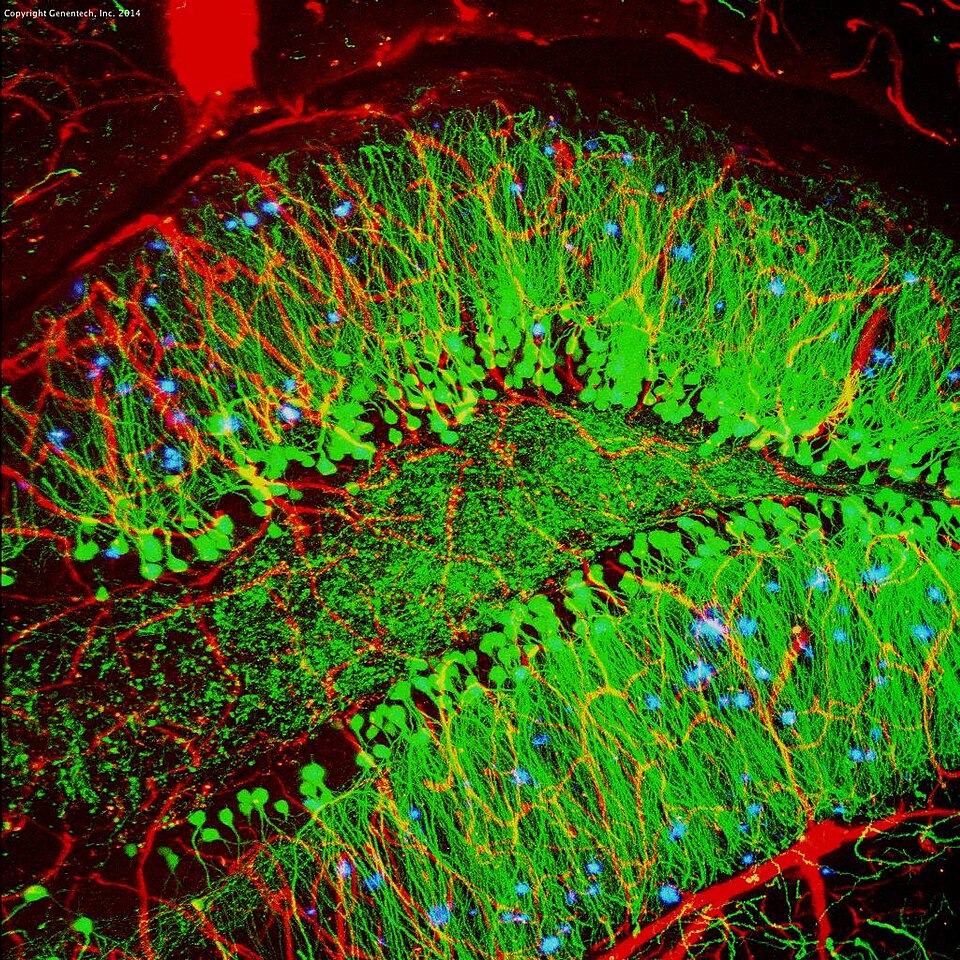
The average human brain contains ~86 billion neurons. Many of these cells form connections with thousands of other neurons, communicating through chemical messengers. But the brain’s wiring is not fixed, rather it evolves and perfects itself over time. Less used connections weaken or are pruned, while repeated connections strengthen, and new ones can form. So, we are continuously editing our own wiring based on our environment, body and mind. This process is referred to as synaptic plasticity.
For years, the study of psychology was treated as more of an arts than science, studied under the roof of philosophy through argument and introspection. Only in the nineteenth century, those questions began moving into laboratories, where psychology emerged as a science of its own. But to this day, despite the rapidly developing technology and advanced tools we have, the human brain remains one of the biggest mysteries of the universe.
The British physicist David Deutch, who is known as the father of quantum computing, explains that mystery in his 2005 TED Talk: “Contrary to what was believed for most human history, human beings are not in fact the hub of existence. As Stephen Hawking famously said, we are just chemical scum on the surface of a typical planet that is in orbit around a typical star, which is on the outskirts of a typical galaxy.”
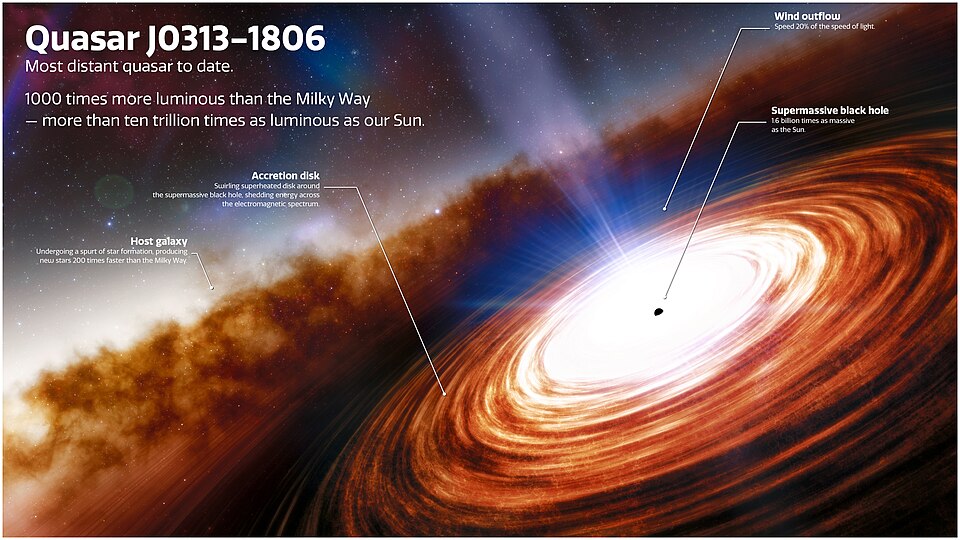
Wait… did he say chemical scum? Yes, but these chemical scum on earth have the ability to create knowledge. That is the mystery. For example, we know what quasars are (star-like objects). Billions of years ago and billions of light years away, a galaxy collapsed into a supermassive black hole, creating intense magnetic fields. The energy and matter of this gravitational collapse were directed in the form of jets with the brilliance of thousand stars, creating a quasar.
But how can a bit of chemical scum accurately explain, predict and model the physical mechanism of a quasar, an object that’s billions of light years away somewhere we have never been? How can our brain contain an explainable, causal, mathematical model of this object? So that is knowledge.
For David Deutsch, what distinguishes us is our capacity to contain a working model of the universe. Our brain possesses something extraordinary: the ability to explain a universe far beyond its immediate reach. The brain does not contain the cosmos itself, but it can hold an accurate replica of it. In this sense, we are not just inhabitants of earth, but places where the structural and causal essence of the entire physical reality can be understood.
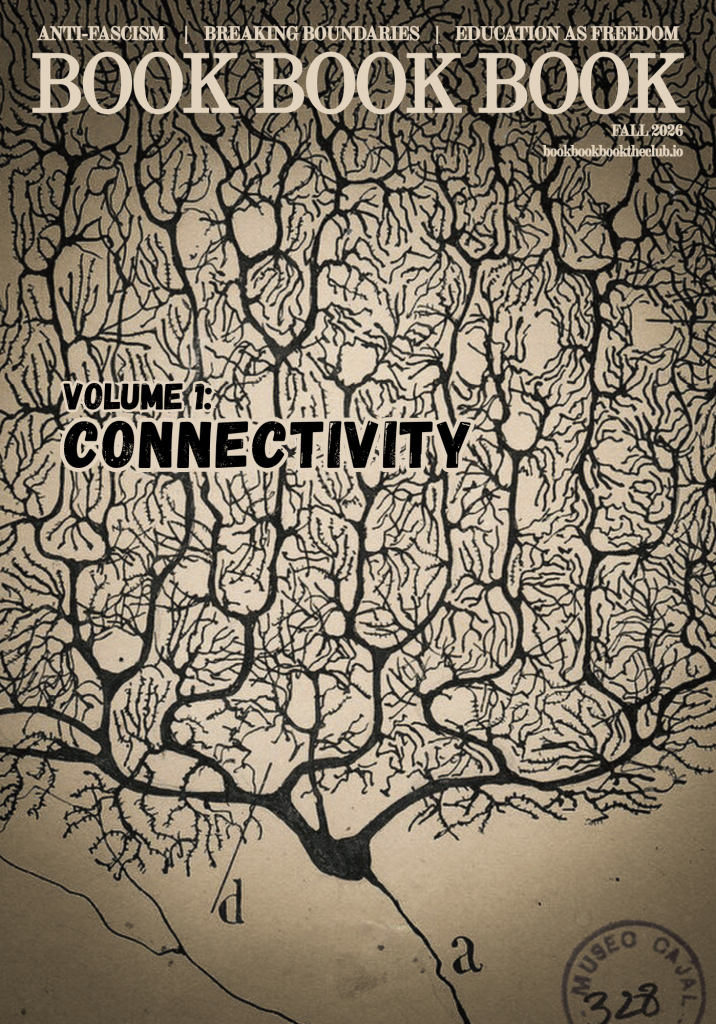
This is why Book Book Book is putting together a magazine, Volume 1: Connectivity. The magazine cover depicts a hand-drawn image of a neuron as observed by Santiago Ramón y Cajal through a microscope. Similar to the distant quasars, we may feel lonely in the dark intergalactic space, lost among the 86 billion neurons. But even when we can’t see or explain it, everything eventually connects. The eight billion of us, connected to one another, woven into the universe… The whole is bigger than the sum of its parts.
Book Book Book begins with that sense of connection. Volume 1: Connectivity aims to be a place to create, to grow, and to share what we come to know.


Leave a Reply